
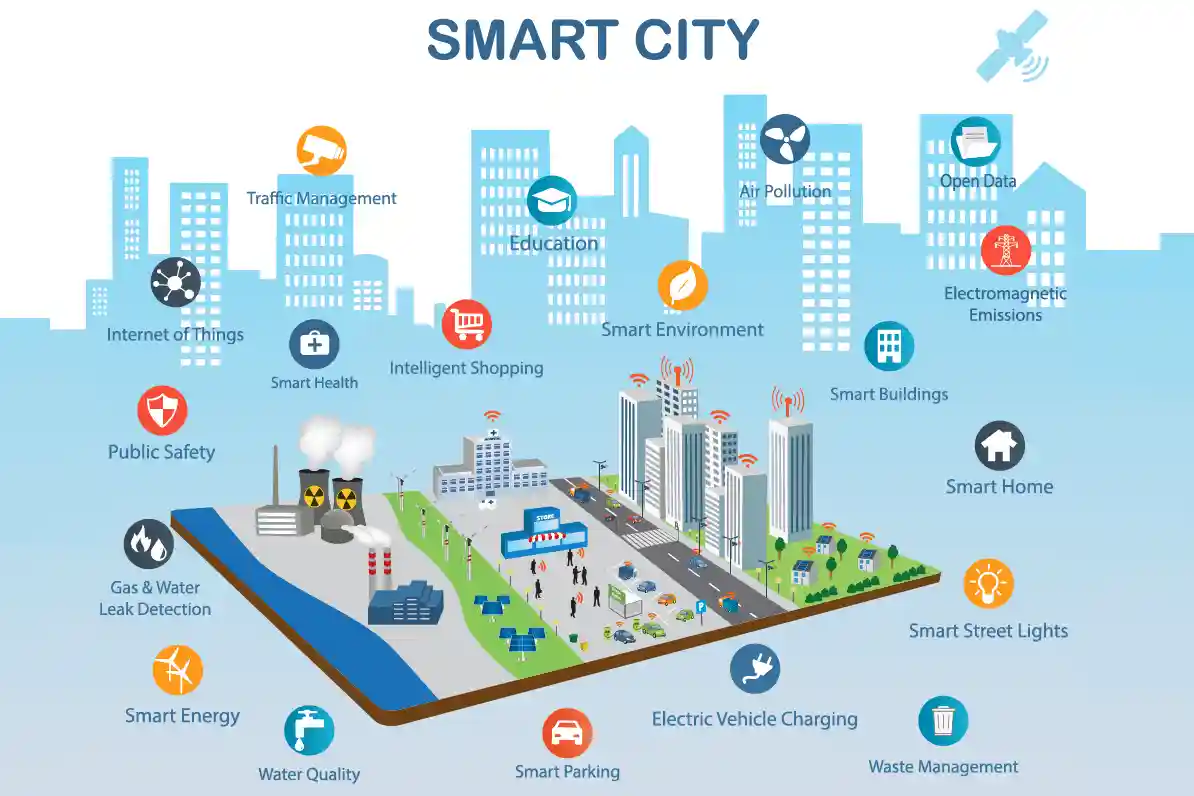
Smart city development is accelerating across major economies as governments invest in technology-driven infrastructure designed to improve urban living. New projects focus on intelligent transportation systems, digital public services, energy-efficient buildings, and environmental monitoring platforms. City officials believe these initiatives can improve quality of life while supporting sustainable economic growth.
Urban populations continue increasing, creating pressure on transportation networks, utilities, and public services. Smart city technologies help address these challenges by providing real-time data that supports better planning and resource management. Traffic optimization systems, smart lighting, and digital monitoring tools are becoming common features of modern infrastructure programs.
Private technology companies are working closely with governments to deploy advanced solutions. Cloud platforms, artificial intelligence, and connected sensors allow municipalities to collect and analyze information more effectively. Experts say these technologies can reduce operational costs while improving service delivery.
Environmental sustainability remains a major objective. Many projects include renewable energy integration, waste reduction initiatives, and water conservation systems. Policymakers view sustainability and digital transformation as complementary goals.
Financial institutions continue supporting smart city investments through development funds and public-private partnerships. Economists predict these projects will create employment opportunities while attracting additional business investment.
Analysts expect smart city programs to remain a significant global trend throughout the coming decade. Continued innovation in urban technology may help cities become more efficient, resilient, and environmentally responsible while supporting long-term economic development.